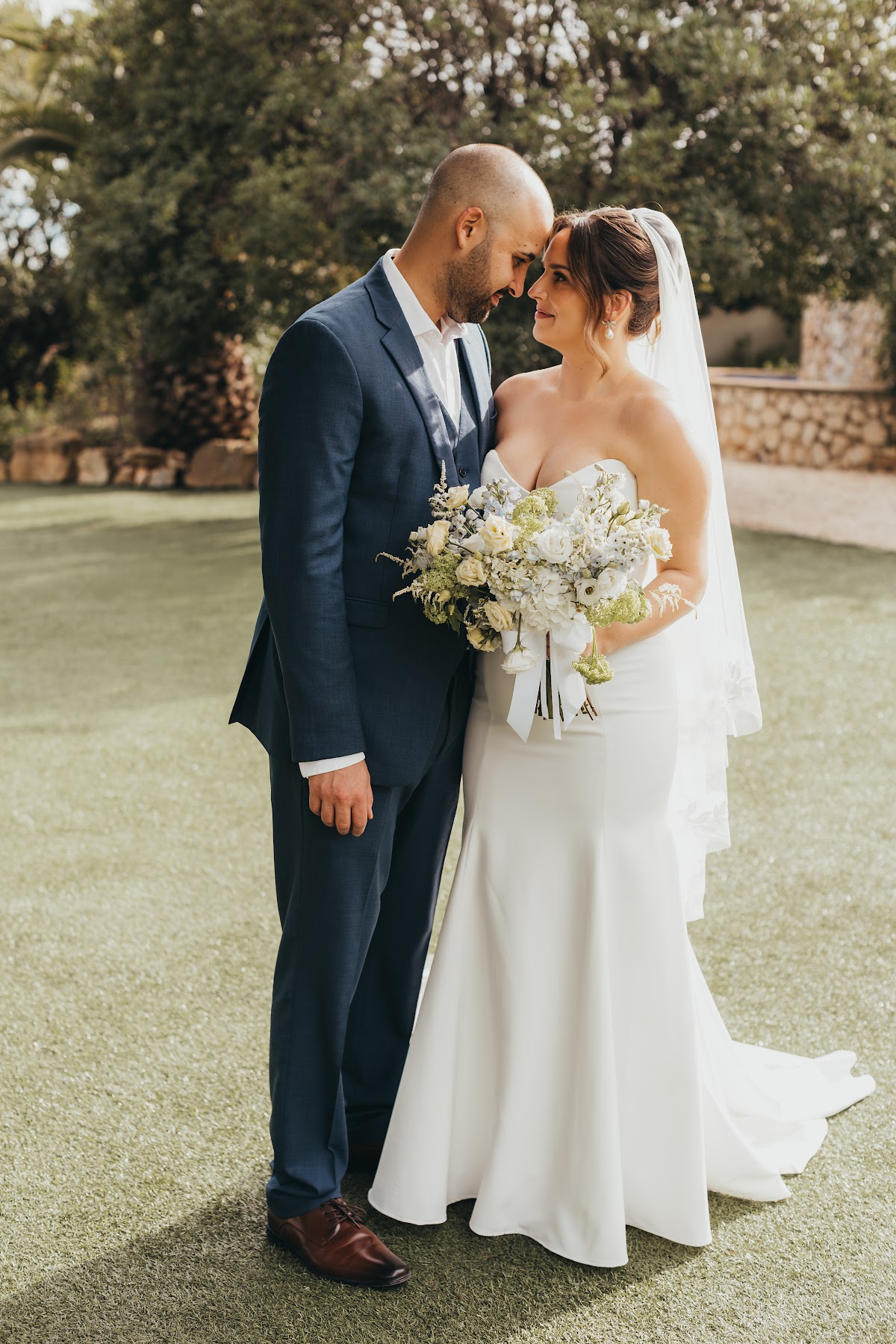
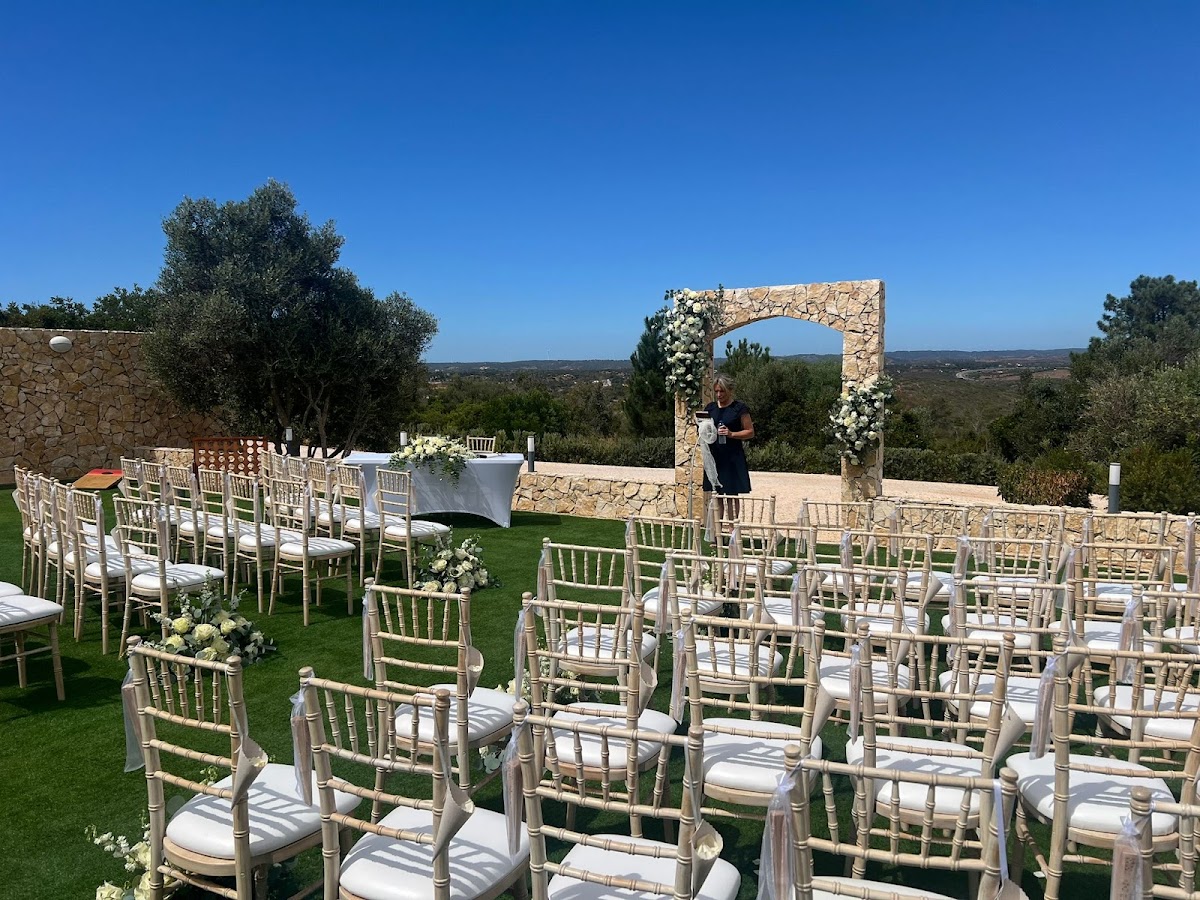
A celebrant writes and leads the ceremony, the heart of the day, around your story rather than a fixed script, which is why so many couples marrying abroad choose this route for the words themselves.
In Portugal the key thing to understand is legal status. A legally binding marriage is performed by a civil registrar at the Conservatoria do Registo Civil or a Catholic ceremony in a licensed church. A celebrant led ceremony is symbolic, so most international couples handle the legal marriage at home and keep the celebrant ceremony for the day that matters.
The honest note is to settle the legal question first, then choose a celebrant for the ceremony you actually want guests to witness.
A celebrant designs and leads a personal ceremony built around your relationship, often bilingual for a mixed guest list. In Portugal a celebrant ceremony is symbolic rather than legally binding, since the law recognises a civil registrar or a Catholic church for the marriage itself. Many couples complete the legal paperwork at home, then have the celebrant lead the meaningful ceremony in Portugal.
The ceremony is the reason everyone has travelled, and a celebrant shapes its tone, its words, and its pace, turning a set of vows into something that sounds like you rather than a template.
For a guest list spread across countries, a bilingual celebrant who can move between Portuguese and English, or another language, keeps everyone included in the moment.
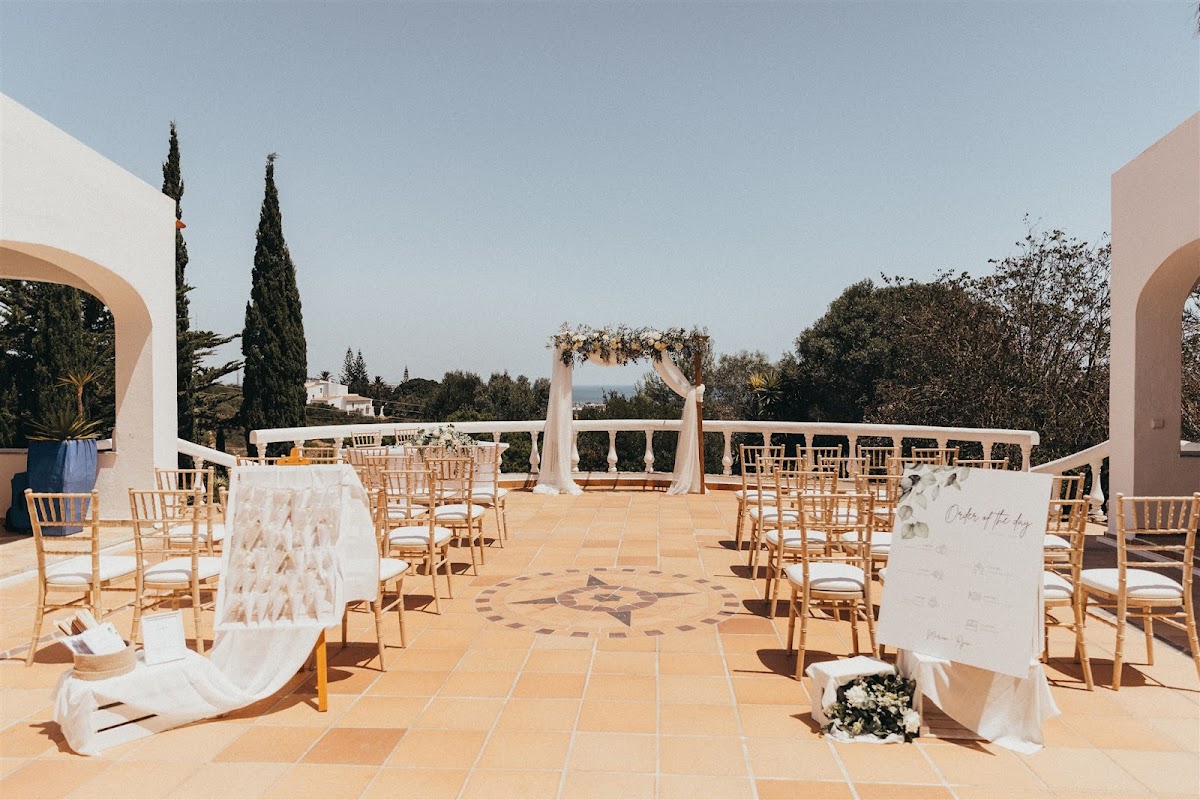
Because a celebrant ceremony in Portugal is symbolic, it carries real freedom. It can happen anywhere, a clifftop, a vineyard, a garden, with any structure, readings, and rituals you choose, free of the venue rules a legal ceremony imposes.
We describe the qualities that separate a strong Portugal celebrant from a merely capable one, as a guide for your own shortlist. We curate on merit and never present a paid relationship as an earned ranking. Confirm language, approach, and fees directly.
The best celebrants interview you properly and write a ceremony around your story, not a fill in the blanks template.
Look for a celebrant who can run the ceremony bilingually with warmth and clear pacing, so no guest is left out.
A good celebrant is upfront that the ceremony is symbolic and helps you plan the legal marriage separately.
From handfasting to a sand or wine ritual, the right celebrant suggests touches that suit you and declines those that do not.
As of August 2025, a celebrant in Portugal is typically a set fee for the consultation, the writing, and leading the ceremony, varying with experience, language, and how bespoke the script is. A widely requested bilingual celebrant sits at the higher end.
Travel to a venue outside the main cities and a rehearsal can add to the fee. The legal marriage, handled separately, has its own costs and paperwork. Treat all figures as indicative and confirm what the fee includes.
Most celebrants charge a single ceremony fee, sometimes with a deposit to hold the date. Confirm whether a rehearsal, travel, and meetings are included, and how many drafts of the script you will see.
Settle the legal route first. Many international couples marry legally at home before travelling, then have the symbolic ceremony in Portugal. If you want the legal marriage in country, a civil registrar or a Catholic church is required, with notice and documents, so start that early.
In Portugal a celebrant ceremony is symbolic, so confirm how and where you will complete the legal marriage.
For a mixed guest list, ask whether the celebrant can move between languages with good pacing.
Ask how the celebrant gathers your story and how many drafts you will review before the day.
Confirm whether a rehearsal, travel, and pre wedding meetings are part of the fee.
Discuss handfasting, sand, wine, or candle rituals and which suit the tone you want.
Tell us your date, your venue, the languages you need, and the tone you want, and we will match you with wedding celebrants in Portugal who fit.
We curate on merit. A venue, planner, or vendor cannot buy a higher place in our editorial picks.
No. A celebrant ceremony is symbolic. A legally binding marriage requires a civil registrar at the Conservatoria do Registo Civil or a Catholic ceremony in a licensed church.
Many marry legally in their home country before or after the trip, then have the celebrant lead the meaningful ceremony in Portugal.
Yes. A bilingual celebrant can run the ceremony in Portuguese and English, or other languages, so all guests follow along.
Almost anywhere, since it is not bound by the venue rules of a legal ceremony, from a clifftop to a vineyard or a garden.
Six to twelve months is common, earlier for peak dates and sought after celebrants.
Photography is licensed stock from Unsplash, used for illustration. Imagery does not depict a specific venue, planner, or vendor.
Quiet, considered notes on venues worth knowing, the seasons that make or break a place, and the logistics couples underestimate.
Join free and get our season by destination cheat sheet, the best months to marry in each place.