Written by Morten Andersen · Last reviewed October 2025.
In France only a civil marriage at the mairie, the town hall, is legally binding, performed by the mayor or a deputy, so a celebrant leads the symbolic ceremony, not the legal one.
That symbolic ceremony, often at your venue, is where the personal vows and the storytelling happen, and a good celebrant is what couples remember most.
Most couples handle the legal marriage at home or at a mairie, then have a bilingual celebrant lead the ceremony at the chateau or the coast.
In France, only a civil ceremony at the mairie is legally valid, and it is performed by the mayor or a deputy, usually in French. A celebrant does not replace that, but writes and leads the personal, symbolic ceremony at your venue, which is where the vows and the storytelling sit. Many international couples complete the legal marriage in their home country, then have a bilingual celebrant lead the celebration in France. Choose a celebrant whose tone suits you and who works in your language.
Rather than name a single ranking, here is how we would judge a celebrant for a French wedding, since the right answer turns on tone, language and how the legal marriage is handled. The questions below separate a safe booking from a regretted one.
Only the civil ceremony at the mairie marries you in law. A celebrant leads the symbolic ceremony at your venue. Decide where and when you will complete the legal marriage, then plan the celebration around it.
A ceremony is led by a voice for half an hour, so the celebrant's warmth, humour and pace matter more than anything on paper. Meet them, in person or by video, and ask to hear or read a real ceremony.
For an international wedding, a bilingual celebrant who can move between French and English keeps every guest with the story. Confirm the languages and how a two language ceremony is paced.
The best ceremonies are written from real conversations with the couple, not a template. Ask how the celebrant gathers your story, how much you can shape it, and when you will see a draft.
Only the mairie can marry you legally, and a French civil marriage carries a residency requirement in the commune and a posting of banns. Many international couples find it simpler to marry legally at home, then celebrate in France.
A chateau, a garden and a coast each suit a different style of ceremony. Choose a celebrant used to your kind of venue and to working outdoors, with a plan for wind, sun and sound.
A spoken ceremony lives or dies on whether guests can hear it. Confirm a microphone and speakers for an outdoor setting, and brief the celebrant on the seating and the light so the moment reads well.
The celebrant, the planner, the musicians and the photographer all work to the ceremony timeline. Share the order of the ceremony so the readings, the music and the key moments are captured and cued.
An independent celebrant in France is usually a set fee for writing and leading a bespoke ceremony, commonly several hundred euros upward, reviewed October 2025, with more for a fully bilingual ceremony or significant travel to a remote venue.
Read each quote for the meetings, the writing, the rehearsal and the travel. A bilingual script, a rehearsal and travel to a remote chateau can sit on top of the base fee, so confirm what the celebrant includes.
Figures are indicative and reviewed October 2025. They move with the language, the travel and how bespoke the ceremony is. Confirm the fee and what it covers directly with each celebrant. The mairie sets its own civil marriage process separately.
Tell us your date, your venue and the kind of ceremony you want. We reply within 48 hours with a tailored shortlist for France, at no cost to you.
A planner sets the ceremony within the day, coordinates the celebrant, the music and the readings, and handles the legal timeline if you marry in France. That coordination keeps the most important half hour calm.
Music shapes the entrance, the signing and the exit. Brief the celebrant and the musicians together so the cues line up and the ceremony flows without a pause.
A celebrant who keeps the couple turned to each other and to the guests gives a photographer far more to work with. Share the order of the ceremony so the key moments are caught.
No. Only a civil ceremony at the mairie, performed by the mayor or a deputy, is legally binding in France. A celebrant leads the personal, symbolic ceremony at your venue.
Many complete the legal marriage in their home country, then have a celebrant lead the symbolic ceremony in France. That avoids the French residency requirement and the posting of banns.
A celebrant meets you, learns your story, then writes and leads a bespoke ceremony with your vows, readings and the moments you choose. It is the part of the day most guests remember.
Yes. Many French celebrants work in French and English and can lead a two language ceremony so every guest follows the story. Confirm the languages and the pacing.
Nine to twelve months is sensible for a celebrant whose tone you love, and sooner for peak dates. Allow time for the conversations that shape a bespoke ceremony.
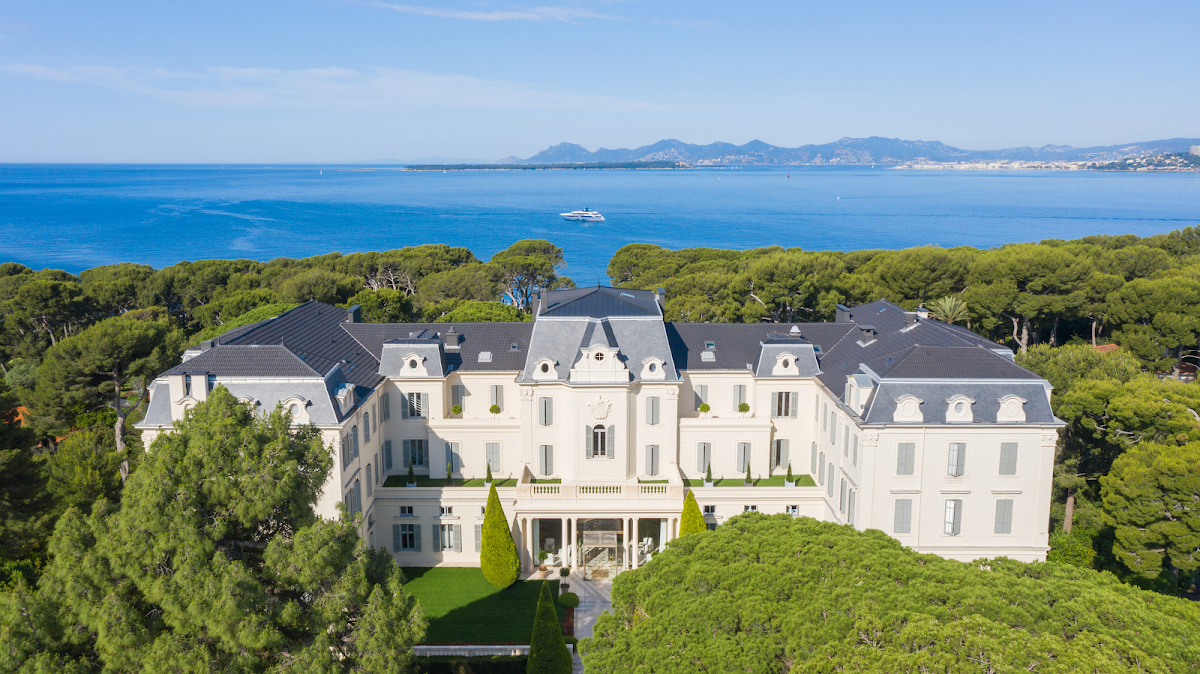
Images are licensed editorial stock for illustration. They do not depict a specific vendor, venue or wedding.
One considered letter a month. The planners and makers we rate, the seasons to chase, and the logistics couples underestimate.
Join free and get our season by destination cheat sheet, the best months to marry in each place.